


Why I Trust Tangem NFC Cards: A Hands-On Take on Card-Based Hardware Wallets
Whoa, this thing surprised me. I picked up a Tangem NFC card last year and started testing it right away. At first I assumed it would be just another gadget, but that wasn’t the case. Initially I thought the convenience of tapping a phone to a tiny card was primarily a UX win, however after using it in real transactions and recovery drills I realized the threat model and the simplicity of the user flow matter far more than I expected. My instinct said this could change how normal people hold keys, especially for newer adopters who hate seed phrases.
Seriously, it felt different. The card is a sealed chip with NFC; no battery and no screen to charge. That simplicity reduces attack surface more than you’d expect. On one hand the cryptographic keys live inside a tamper-resistant element and you can’t export the private key, though actually, wait—let me rephrase that, you can export through supported recovery flows but not by reading the key out directly, which matters for both security and backup strategies. So the model forces better practices by design, which nudges users toward safer habits and away from risky shortcuts.
Hmm… this part bugs me. During setup I rushed and later panicked a bit during recovery tests. It taught me to simulate loss and reissue cards regularly. Initially I thought physical cards were too ‘gimmicky’ for serious crypto users, but after working with custodial setups, multisig workarounds, and real user tests with family members who couldn’t care less about seed phrases, I realized the form factor actually solves a real usability gap while keeping the security model intact for many use cases. I’ll be honest: I’m biased toward anything that reduces user error.
Wow, recovery is smoother. You tap the card, approve on your phone, and the transaction signs. That flow reduces phishing vectors compared to copy-pasting seeds into apps. On the other hand, NFC introduces different risks—relay attacks, skimming in crowded places, or malware on your phone acting as a proxy—so threat modeling needs to include physical proximity assumptions and device hygiene practices, not just cryptographic assurances. In practice, layered defenses can mitigate most practical NFC attack scenarios.
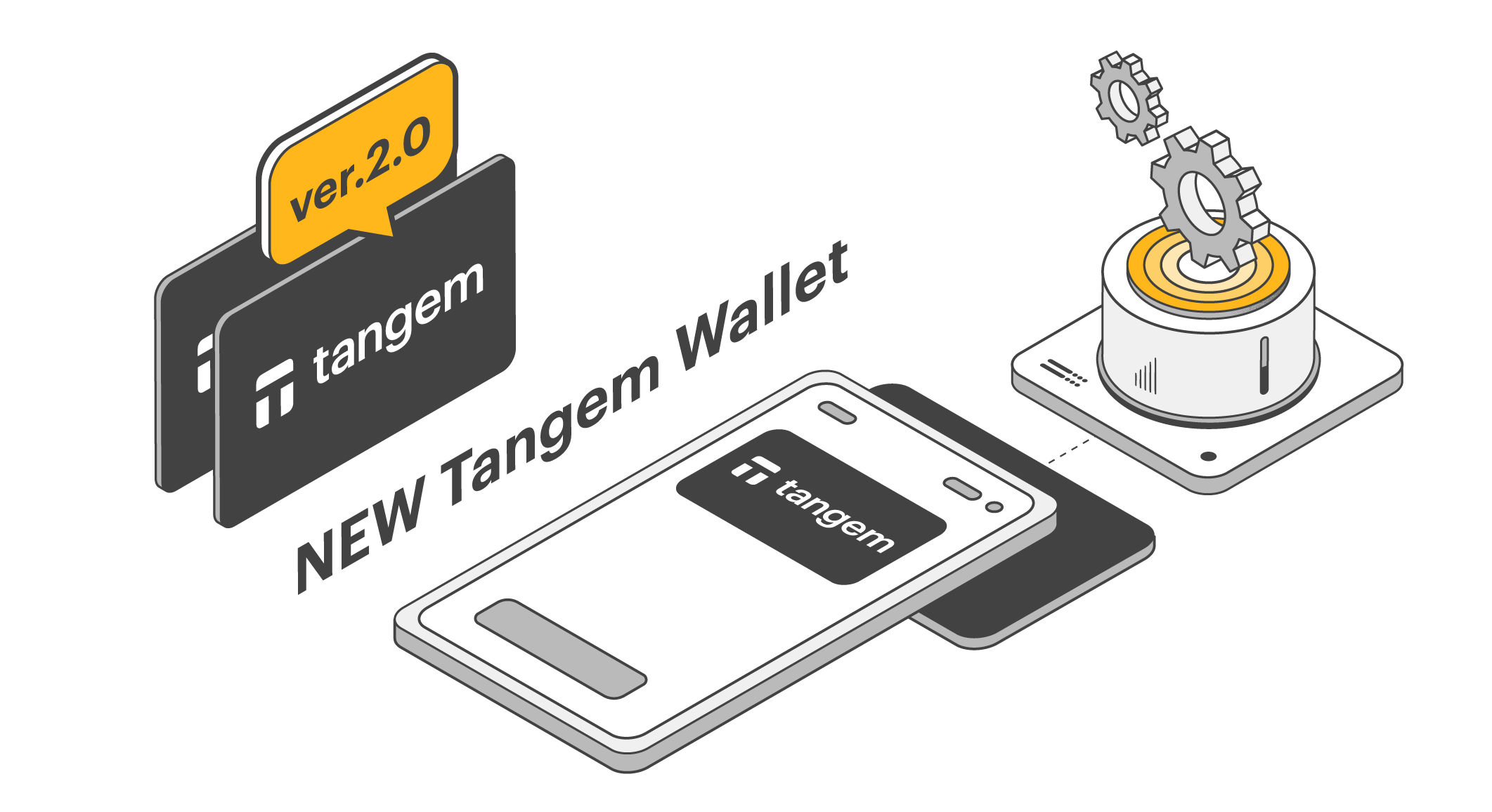
Okay, so check this out— I used a Tangem card as a travel cold wallet in my passport sleeve. No passwords to type and no paper seed left in hotel drawers; fewer mistakes. My instinct said this would be risky if the card were stolen, and I tested that by leaving a backup at home and trying to recover funds using the backup process, which highlighted edge cases in user flows and the need for clear emergency procedures that nontechnical relatives could follow without calling me in a panic. So for family use I paired Tangem cards with clear written steps and a backup that a nontechnical relative could follow without calling me in a panic.
Real-world notes and developer quirks
Something felt off about integration. Integration with wallets varies; some apps natively support tangem wallet, others need WalletConnect bridges. This inconsistency can create UX cliffs where users assume compatibility and then get stuck. Initially I thought interoperability would be solved by standards, but reality shows a messy middle where device vendors, app developers, and platform policies collide, so advocates need to push for clearer specs and better developer tools to avoid fragmentation. Finally, yeah I’m not 100% sure about every edge case, but this approach is promising.
Here’s what bugs me about current tooling: somethin’ as small as a help screen missing can cause a family member to freeze. I’m not saying Tangem is perfect—very very far from it—but the card form hits a sweet spot for nontechnical users while retaining cryptographic integrity. On one hand it’s elegant and simple, though actually it demands a bit more planning for backups and emergency flow than some mobile-first products. My gut says this will get better as standards mature, and my head agrees because the crypto primitives are solid.
FAQ
Is a Tangem card safe for everyday crypto holding?
Short answer: yes, for many users. Longer answer: it depends on your threat model. The card protects private keys inside a secure element and prevents direct export, which reduces remote-extraction risks. However, NFC changes the physical attack surface and requires attention to backups, device hygiene, and interoperability. If you pair the card with clear recovery steps and layer defenses, it becomes a practical balance of usability and security for travel, family custody, or as one key in a multisig setup.